The phone stays quiet
Traffic arrives, but the page does not establish fit, show enough proof, or give the visitor a clear action. The repair starts with the buying path: what they need to know before they will call, book, visit, or request a quote.
A business website has a job before it has a style. It should answer the question that brought someone in, prove that the business can do the work, and make the next step obvious on a phone. That means writing, page structure, search intent, photography, forms, speed, and the handoff after a form submission all belong to the same build. A polished homepage with no useful route to a call is still an expensive dead end.
I design and build the whole public experience rather than handing a picture to a separate development queue. The page plan comes from what customers ask, and the code follows what the plan requires. Local pages use service details, customer questions, and work tied to the place. Product teams get a marketing site that explains a complicated offer without asking the buyer to learn the stack first.
Traffic arrives, but the page does not establish fit, show enough proof, or give the visitor a clear action. The repair starts with the buying path: what they need to know before they will call, book, visit, or request a quote.
Small text, crowded menus, slow images, and forms built for a desktop tell a mobile visitor that the business will be hard to deal with. The phone layout is designed first around the tasks a real customer is trying to finish.
One general page cannot carry every service and every place. Clear titles, headings, internal links, service pages, local evidence, crawlable text, and accurate structured data give search engines the same plain explanation a buyer needs.
Hours, services, staff, listings, menus, or seasonal information should not wait on a mystery vendor. The build decides what changes often, gives those records a sensible home, and documents the parts the owner should control.
A page map based on customer questions, useful search terms, the real service area, and the proof already available. Every page has a defined customer question and next step.
Headlines, service explanations, calls to action, FAQs, and page order written in the language an owner and customer use. Technical detail appears where it helps rather than leading the conversation.
A distinct system for type, spacing, color, imagery, cards, forms, and navigation that holds together from a small phone to a wide screen and remains usable with reduced motion.
Semantic HTML, maintainable components, image handling, forms, analytics hooks, metadata, social cards, sitemaps, robots rules, structured data, and deployment configured as one working release.
The launch pass covers mobile rendering, keyboard use, useful image text, heading order, form labels, loading behavior, browser security headers, broken paths, and what a crawler receives without running scripts.
The client owns the domain, code, content, accounts, and assets. The repository and deployment are documented, and ongoing support is agreed plainly rather than hidden inside a platform lock-in.
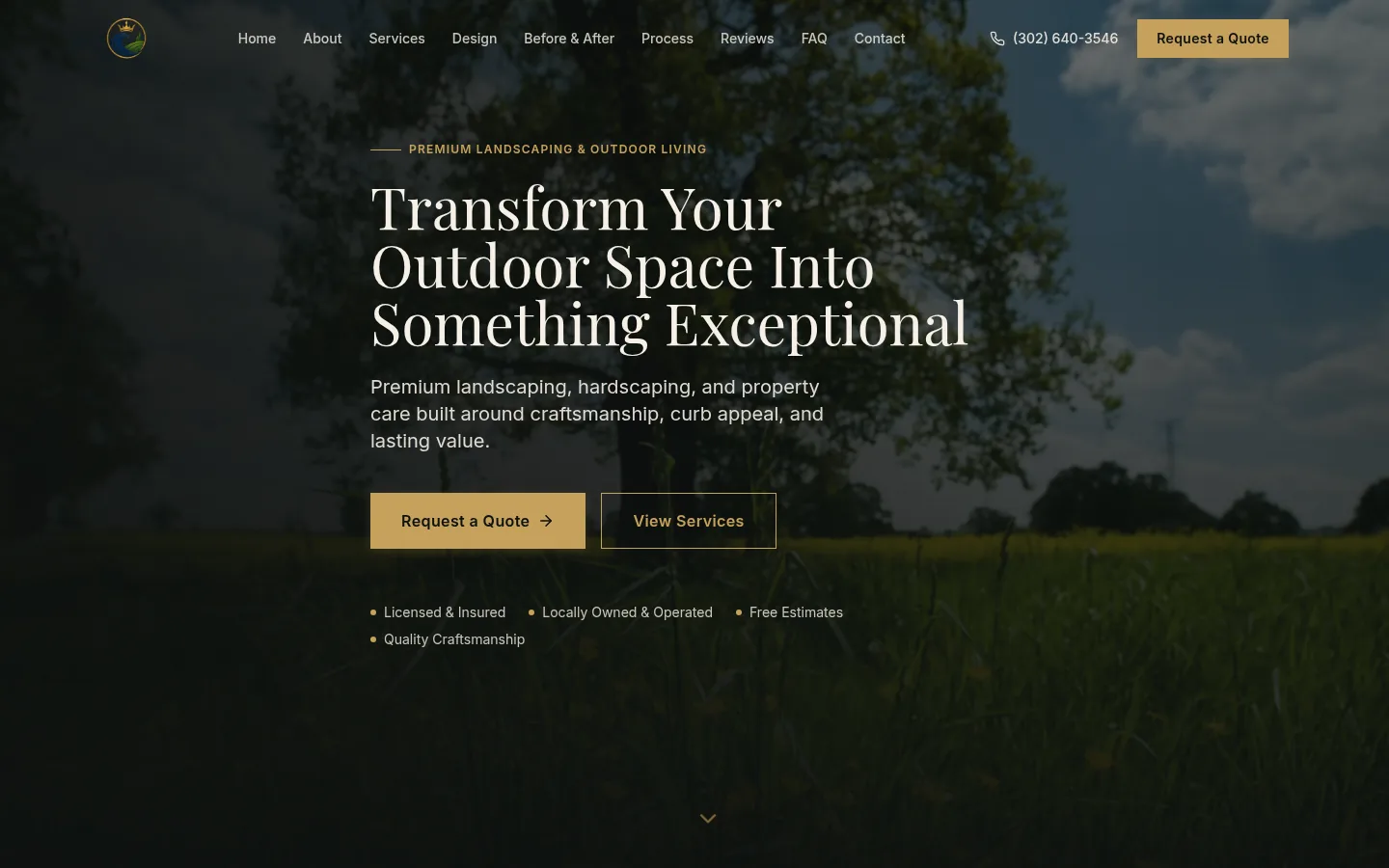
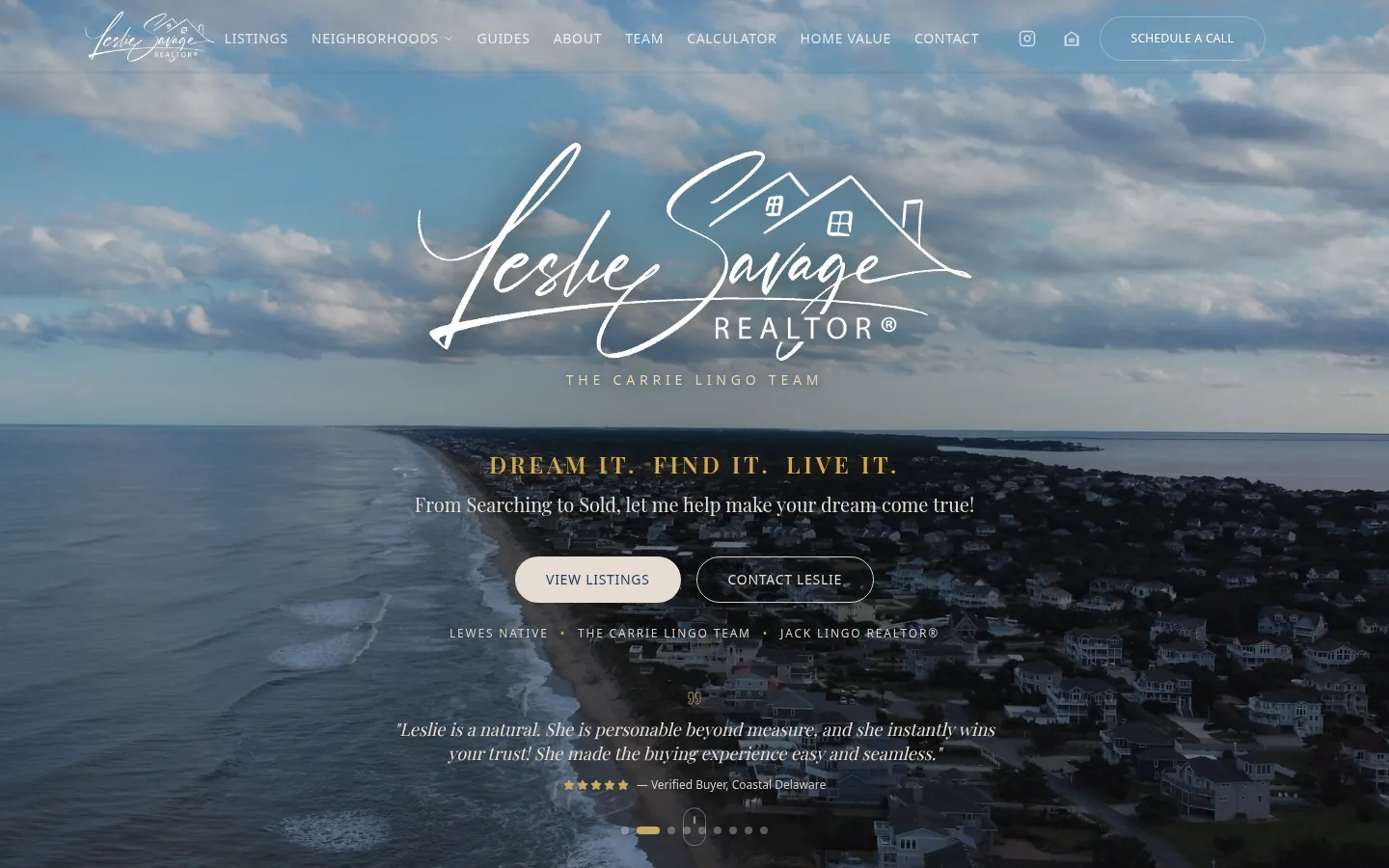
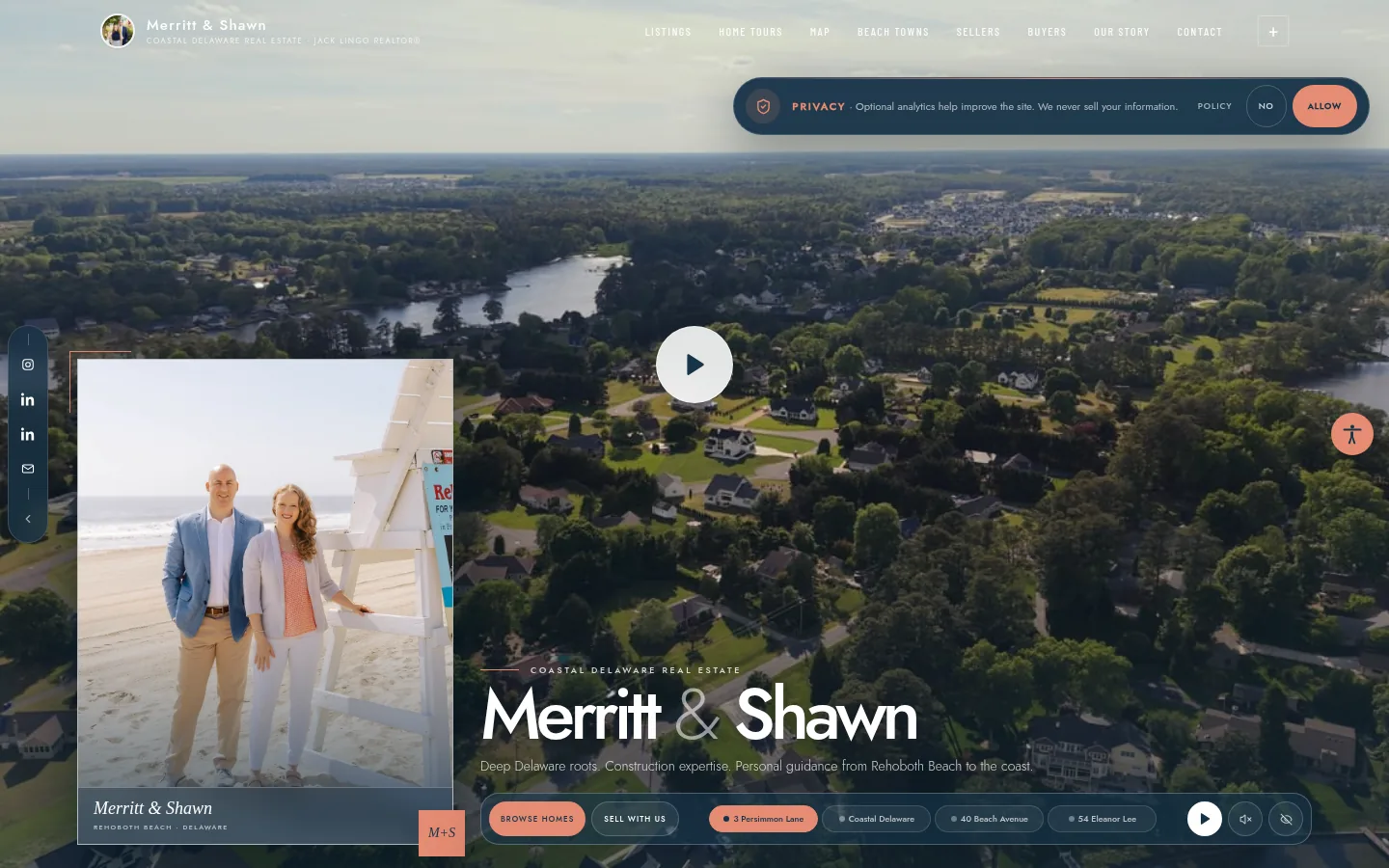
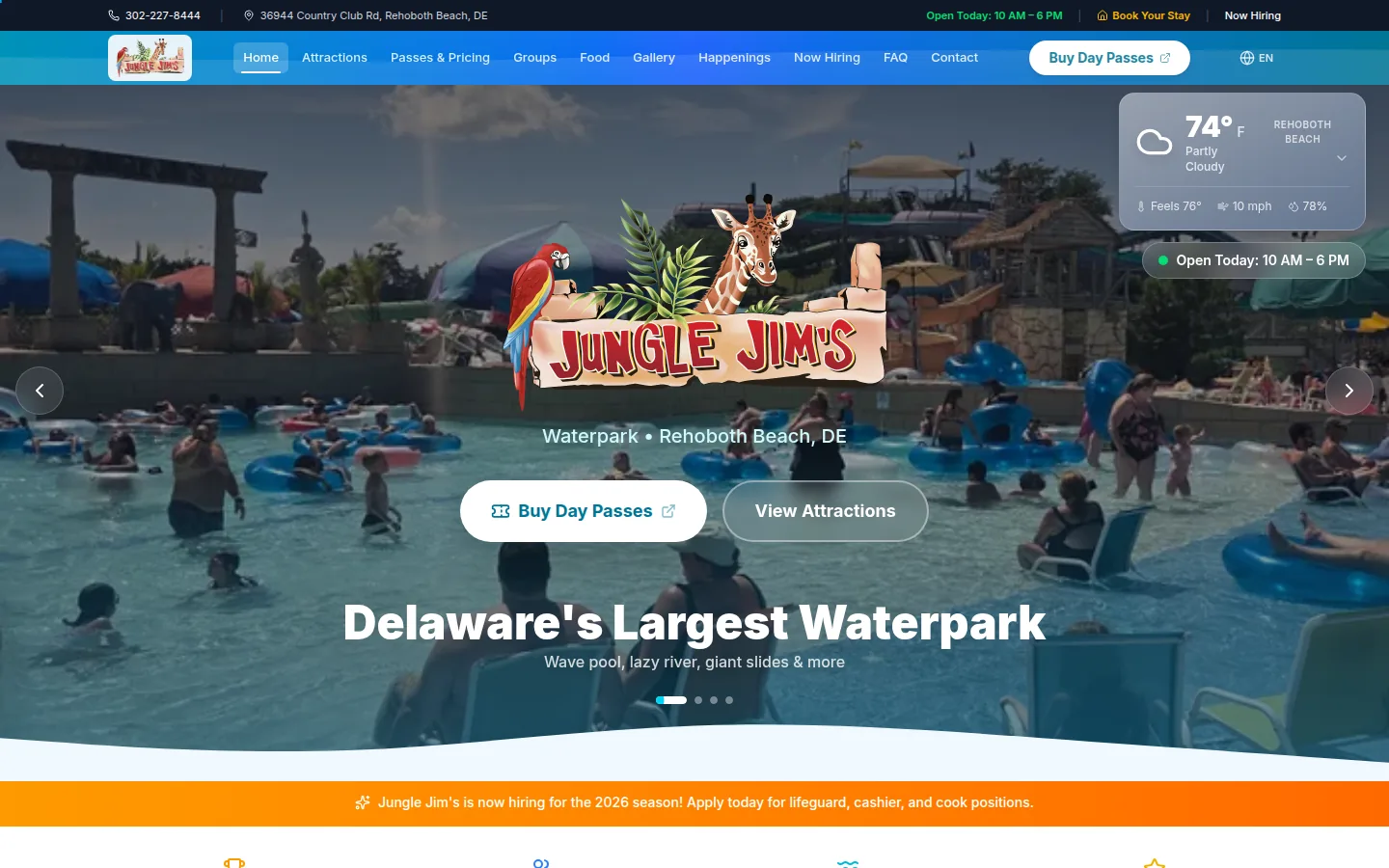
These case studies show the public pages and the machinery behind them. Coastal Crest turns real landscaping work into qualified quote intake. Three coastal real-estate platforms combine local guidance, live inventory, and direct enquiries. Jungle Jim’s connects visitor planning to the venue tools behind the day.
We identify the customer, the profitable work, the service area, the calls that waste time, the proof that already exists, and the content that changes. Existing analytics and the free scan can show where the current site is failing, but owner knowledge sets the priorities.
The page structure and first copy draft come before visual polish. You can see what each route is for, what question each section answers, where proof appears, and how a visitor reaches contact before development gets expensive.
Approved content becomes a responsive system and then production code. Real images and real records replace placeholders early. Forms, feeds, maps, calculators, search, or editing tools are added only when they serve the buying path.
The finished site is tested across routes, screen sizes, keyboard paths, metadata, schema, forms, and redirects. After launch, measurement shows where people arrive and what they use; changes come from evidence rather than a yearly redesign ritual.
Build choices follow the content and operating needs. The portfolio includes Next.js static and server-rendered work, Vite applications, Cloudflare Pages and Workers, live Bright MLS feeds through same-origin workers, D1 and KV data, accessible forms, typed metadata, schema graphs, and prerender checks. A smaller static site is used when that is enough; an application stack is used when live data or staff workflows justify it.
It is quoted per project after the page count, content work, photography, forms, integrations, and editing needs are understood. A five-page service site and a property platform with live listings are different jobs. The written scope says what is included before work starts; there is no package grid designed to hide the real total.
Yes, but the existing routes and search data must be inventoried first. Useful pages are kept or deliberately replaced, old addresses receive redirects, titles and canonicals are checked, and the new sitemap is compared against the old one. A redesign should not erase years of accumulated paths by accident.
Yes, where regular updates make business sense. Hours, staff, projects, listings, menus, or articles can use structured content or an editing surface. Stable sales copy often stays in the repository because that is simpler and safer. The right editing model is decided from who changes what and how often.
Yes. Those are not separate lanes in a useful build. The words define the page structure, the structure supports search, and the code determines whether buyers and crawlers can reach it quickly. Outside photography, legal review, or specialist brand work can be coordinated when a project needs it.
The site can move into a support agreement or remain fully client-owned with documented access. Monitoring, content work, measured improvements, and new features are scoped openly. If we stop working together, the domain, code, content, and accounts remain with the client.